
The findings showed that 119 out of 150 businesses had experienced mental health-related absence over the past two years. In total, this accounted for more than 28,000 lost working hours.
Despite this, nearly half of the businesses surveyed offer little to no mental health support, with 47% providing nothing beyond basic provisions. However, there is clear willingness to improve, as 80% of organisations said they would consider introducing mental health support in the future, with only a small minority ruling it out entirely.
The research also highlighted significant gaps in workplace policies. Around seven in ten businesses do not have a neurodiversity inclusion policy, while roughly four in 10 lack a mental health and wellbeing policy altogether. A further proportion of respondents were unsure about what support measures were currently in place.
Although awareness of mental health issues appears high with over 90% of employers believing they have staff experiencing such difficulties, many lack the ability to identify them. Notably, 42% admitted they would probably not recognise if an employee was struggling.
Founded in 2021, the Purple House Clinic Rugby provides a comprehensive range of workplace wellbeing services designed to help organisations better support their employees’ mental health and neurodiversity needs, enabling individuals to maximise their strengths and fulfil their potential.
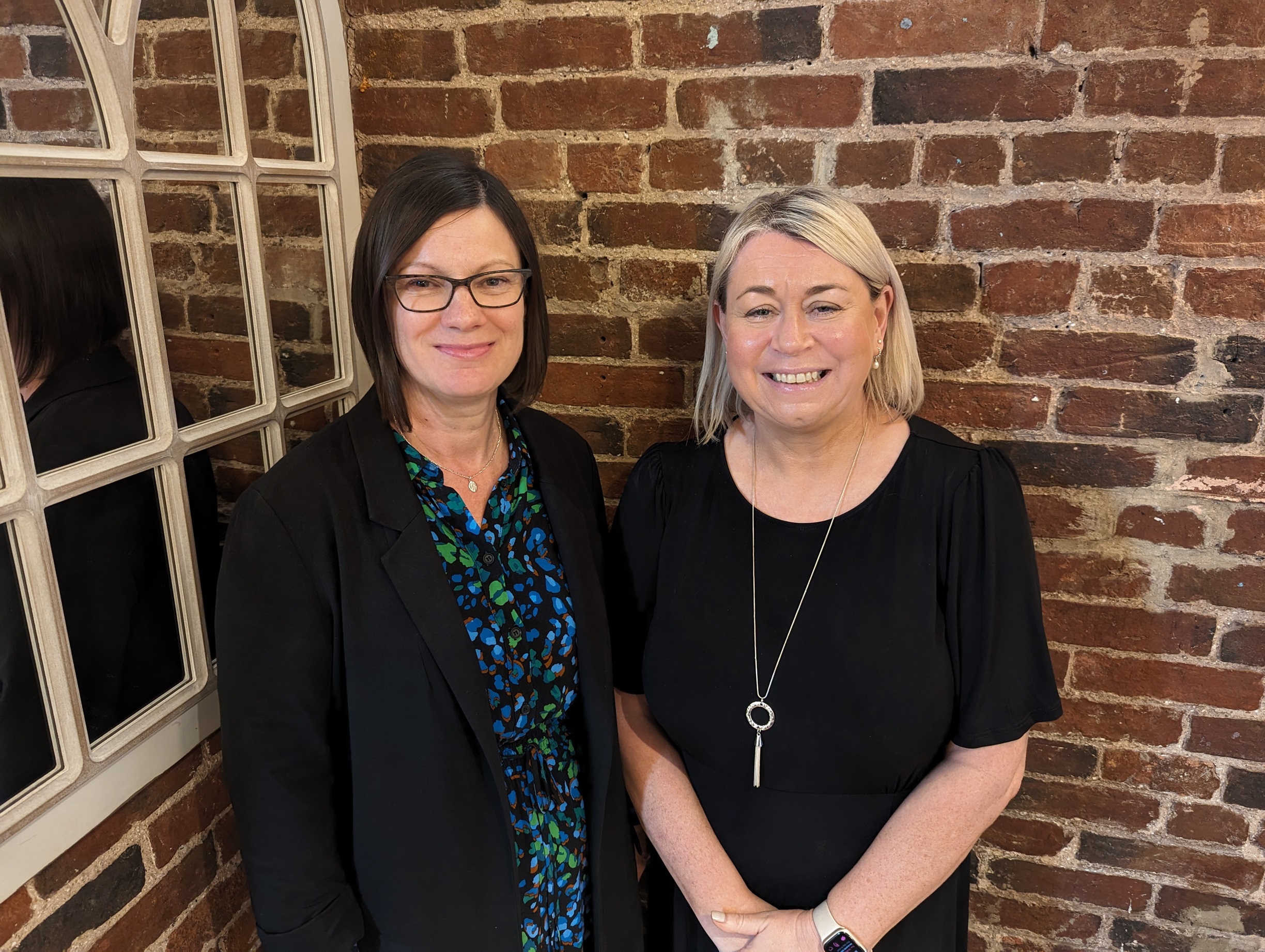
The clinic is led by experienced clinical psychologists Dr Hayley Poole and Dr Rachel Kemp from their welcoming clinic at Davy Court in Rugby.
Dr Poole said the study highlights a clear need for businesses to strengthen support for employee wellbeing.
“Mental health and neurodiversity are universal issues,” she said. “The language people use, the worries they describe, and the pressures they feel are remarkably similar across sectors, whether in education, manufacturing, or office-based roles.
“While there are differences in how far sectors have progressed with policies, training, and formal support, the underlying needs are consistent. People want to feel understood, they want safe spaces to talk, and they want practical help rather than tick-box exercises.
“This shows that support should start from a people-first perspective and then be tailored to the realities of each sector. It is not a niche issue affecting one industry - it is a shared challenge across workplaces.
“The study highlights a clear gap between the scale of the problem and the level of structured support, particularly around neurodiversity. Partnership, not just provision, is essential to help organisations move from awareness to meaningful action and measurable impact.”
The Purple House Clinic Rugby works with clients across Coventry, Warwickshire, Leicestershire and Northamptonshire, offering services such as mental health check-ups, therapy packages, mental fitness programmes, neurodiversity assessments, employee wellbeing seminars, and reflective staff groups.
The clinic also delivers workshops for HR and management teams, alongside consultancy services to support the development and implementation of effective workplace policies focused on mental health, wellbeing, and neurodiversity.
Further details about Purple House Clinic are available at https://www.purplehouseclinic.co.uk/
Caption: Dr Rachel Kemp (left) and Dr Hayley Poole from Purple House Clinic Rugby