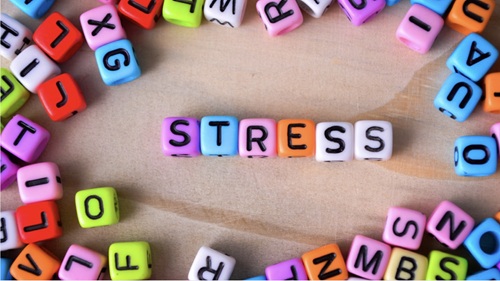
This matters because workplace change does not affect everyone in the same way. In some cases, it creates useful pressure and focus. In others, it quietly tips from eustress into distress — and once that tipping point is missed, the consequences can build quickly. The HSE identifies change as one of the six key areas linked to work-related stress, alongside demands, control, support, relationships, and role. The NHS also notes that fear of redundancy, high demands, poor support, and lack of clarity can all contribute to stress at work.
That is especially important now. Many organisations are navigating restructuring, budget pressure, shifting priorities, and ongoing uncertainty. For leaders, the challenge is not simply managing change, but managing the human impact of change well.
The line between positive challenge and harmful strain is not fixed. A period of busy, purposeful work can be motivating when people understand what is happening, feel consulted, and have some control over how the change affects them. The same situation can become distressing when communication is poor, roles are unclear, or people feel the ground is constantly shifting beneath them.
This is where many organisations get caught out. They assume that because people handled one round of change, they will cope with the next. They mistake silence for resilience. In reality, silence often means people are struggling but do not feel safe enough to say so.
The HSE’s Management Standards offer a practical way to think about this. Change should not be treated as a one-off announcement, but as an ongoing management process. That means giving people clear information, involving them where possible, and checking in regularly throughout the transition — not just at the start. It also means paying attention to workloads, boundaries, and team relationships, because change often puts pressure on all of them at once.
Managers play a critical role here. They are usually the first to spot when a team is becoming depleted or disengaged, but they need the confidence to have honest conversations and the skill to recognise the difference between normal pressure and a developing problem. HSE guidance supports open conversations and regular monitoring so employers can act early, rather than waiting until stress becomes sickness absence.
For boards and senior leaders, the message is simple: change needs to be treated as a psychosocial risk, not just an operational issue. If restructures, new systems, leadership turnover, or cost-cutting measures are piling pressure onto teams, that risk should be visible in governance discussions. The question is not only whether the change will deliver its intended outcome, but whether people can sustain it safely.
The good news is that this does not require perfection. It requires consistency. Clear communication, realistic expectations, visible support, and regular review can make the difference between a team that adapts and a team that burns out.
The best time to support people through change is before the cracks start to show.
Contact C&W Chamber member Mental Health in Business (MHIB) to find out how they can support you in building a workplace where everyone can thrive. Chamber members receive a 10% discount on all MHIB services.