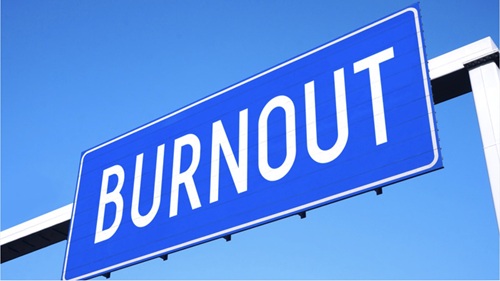
Burnout rarely arrives without warning. It builds. And in the weeks before someone hits breaking point, there are usually signs: a drop in the quality or quantity of work, more absence, presenteeism, withdrawal from conversations, irritability, or off-hand comments like “I can’t seem to keep on top of things” or “I’m not sure I’m cut out for this anymore.”
These are often not throwaway remarks. They are clues.
Why early intervention matters for the business, and for the person
Stress that goes unaddressed does not stay static. What might have been resolved with a conversation and a few practical adjustments can become a longer absence, a resignation, or a much bigger wellbeing issue.
The cost to businesses is real: lost productivity, increased absence, presenteeism, and the expense of recruiting and onboarding when someone leaves because they no longer feel supported.
Early intervention is not a soft skill. It is a management skill. It protects your people, your output, and your ability to retain good talent.
Holding the conversation: what actually helps
This is where many managers get stuck. They can see something is wrong, but they do not know how to raise it without overstepping or saying the wrong thing.
The good news is that you do not need all the answers. You just need to start the conversation well.
Be specific, not vague. Instead of “Are you okay?”, try something like: “I’ve noticed you’ve been quieter in meetings lately and wanted to check in properly.” A specific observation is harder to brush off and shows you have genuinely been paying attention.
Listen more than you speak. The aim is not to fix everything in one conversation — it is to create space for someone to speak honestly. Often, being heard without judgement is far more valuable than any quick solution.
Hold your boundaries clearly. You are a manager, not a counsellor. If someone shares something significant, it is perfectly appropriate to say: “Thank you for telling me. Let’s think about what support might help.” That is good management.
And follow up. A single conversation is a start, not a solution. Checking in again the following week helps show that your concern was real and ongoing.
Knowing when and how to escalate
Sometimes what someone shares will be beyond what a line manager should handle alone. That may include significant mental health difficulties, signs that formal adjustments may be needed, safeguarding concerns, or a situation where the person is not improving despite support.
In those cases, escalating to HR, occupational health or an Employee Assistance Programme is the right thing to do. Escalation is not a failure. What matters is being transparent about what you are doing and why, so the person understands it is coming from a place of support.
The bigger picture
These conversations work best when they are not just a response to crisis. They work best when they are part of everyday team life — in regular 1:1s, in a culture where it is okay to say you are struggling, and in managers who have had real practice before the stakes are high.
Spotting stress early and responding well are not personality traits. They are skills. And like any skill, they get better with practice.