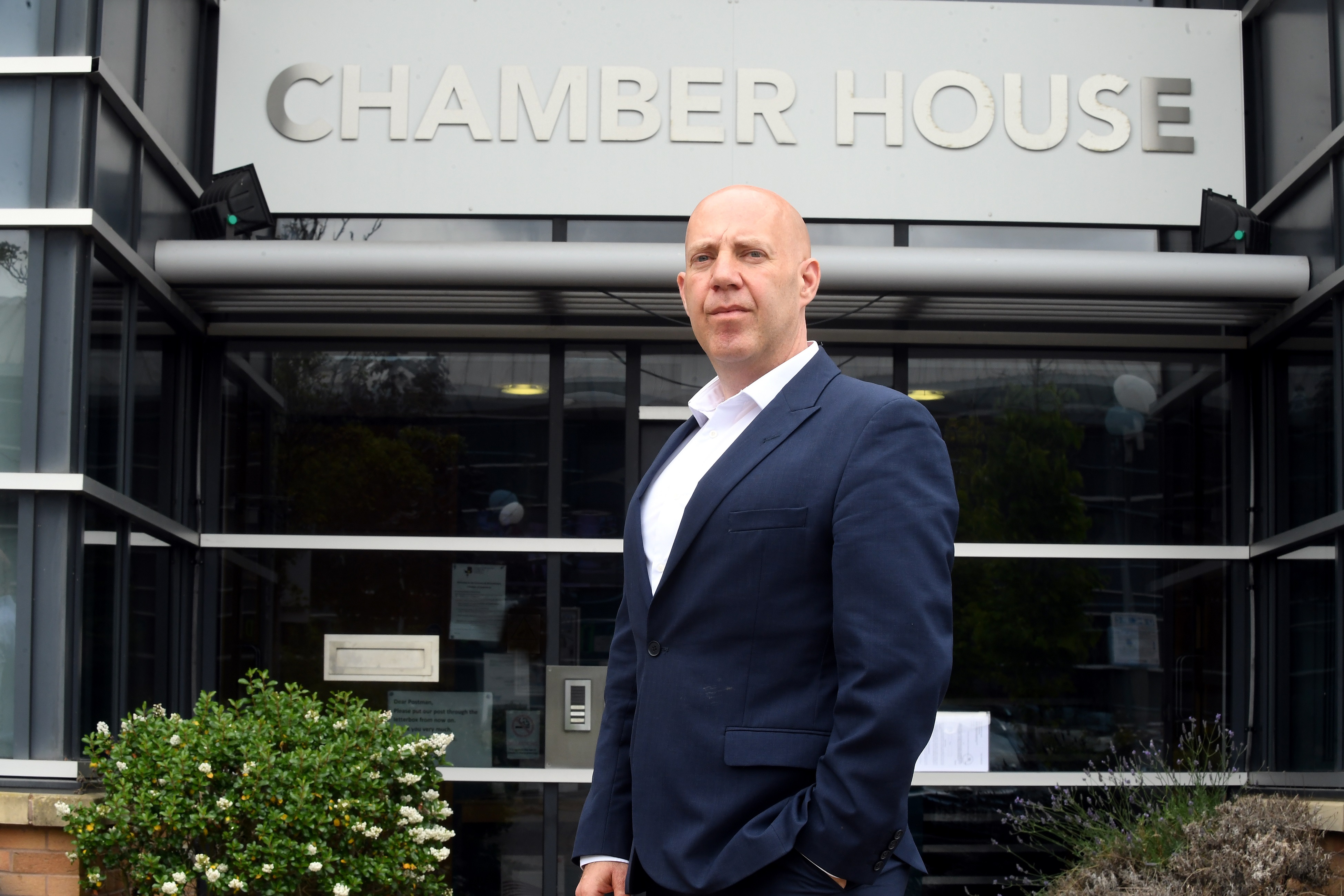
He said: “Businesses have been hit by rising employment costs and increased red tape at a time when economic growth is fragile. The rise in unemployment reflects that.
“Add to that the crisis in the Middle East and the uncertainty in UK politics and it means businesses across the region are looking for stability to give them the confidence to invest and grow.
“We’re talking to businesses all of the time and they are telling us that cost pressures and uncertainty are a big factor in how they are feeling. Our latest Quarterly Economic Survey (QES) is going to tell us a huge amount about current sentiment among firms across the region.
“But what is clear is that Government needs to look at every route possible to reducing the cost of doing business, especially in certain sectors, to help businesses to grow.”
Reacting to the latest labour market data from the ONS, Patrick Milnes, Head of Policy for People and Work at the British Chambers of Commerce, said: “With unemployment at five per cent the expectation is that it will rise this year as business uncertainty grows amid the UK’s political unrest and the Iran War. Our latest forecast expects it to increase to 5.5 per cent.
“A further drop in vacancies, now at their lowest outside the pandemic for more than a decade, suggests businesses are pausing recruitment. This is unsurprising as labour costs remain a key concern.
“But with the conflict in Iran likely to drive higher inflation later in the year, as unemployment also rises and growth remains weak, the possibility of stagflation is very real.
“To counter this the government must set out a pro-growth agenda which capitalises on the UK’s economic strengths. While AI could boost productivity, its impact on young people entering the job market is a worry, given the further rise in the number of economically inactive people aged 18-24.
“Firms are also alarmed over plans to remove the lower National Minimum Wage level for 18-21 year olds. This could deter them from employing young adults and place upward pressure on all wage scales.
“Further action to ease the cost burdens firms face is needed, such as changes to electricity bill levies and reform of business rates. These would also go a long way to boosting confidence.”