But the rise came before the conflict in the Middle East which is expected to impact economic growth figures in the coming months.
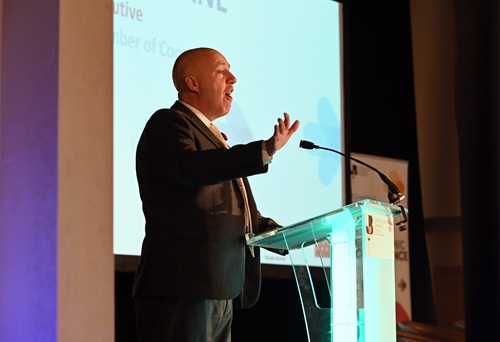
Corin Crane, chief executive of the Coventry and Warwickshire Chamber of Commerce, said: “I felt quite confident at the start of the year that the economy was going to grow and that businesses in the region were ready to put many years of uncertainty behind them.
“The February GDP figures cannot be taken in isolation as they only reflect one month of activity but they do suggest that the economy was set to move forward positively.
“It, therefore, feels somewhat bittersweet that these figures come just before the conflict in the Middle East broke out and the subsequent economic issues that has created in terms of rising costs and weakened confidence.
“And while the Government is rightly focused on international matters its vital that it accelerates policies that can support domestic economic growth whether that’s on infrastructure and planning, technology, skills, or support for overseas trade.
“At the same time, we can only hope that the situation in the Middle East is resolved on a human level and also that the economic after-effects are limited.”
David Bharier, Head of Research at the British Chambers of Commerce said: “GDP growth of 0.5 per cent in the three months to February shows the UK economy performed better than expected at the start of the year, with signs that momentum was building.
“But this data predates the Iran conflict, so the full impact of the energy and shipping shocks has yet to come through. Forecasts are being downgraded – we are now expecting just one per cent for 2026, and the IMF this week warned the UK will be the hardest hit of the G7.
“Cost pressures remain the top constraint for most firms. Our latest survey shows 73 per cent cite labour costs and 52 per cent cite energy costs as price drivers, even before the escalation in the Middle East. For two years, we’ve seen more SMEs cutting back investment than increasing it.
“In the short term, de-escalation and rapid recovery to supply chains is the only way to prevent a deeper economic crisis.
“Longer term, the UK will only break out of this low-growth trap by unlocking investment, boosting exports, and harnessing the game-changing productivity potential of AI.”