The recognition reflects not only entrepreneurial leadership, but a growing regional demand for structured approaches to supporting midlife performance within business.
As more women remain in senior and technical roles through their 40s and 50s, organisations across Coventry and Warwickshire are increasingly recognising the operational impact of fluctuating energy, disrupted sleep and reduced cognitive clarity during midlife transition.
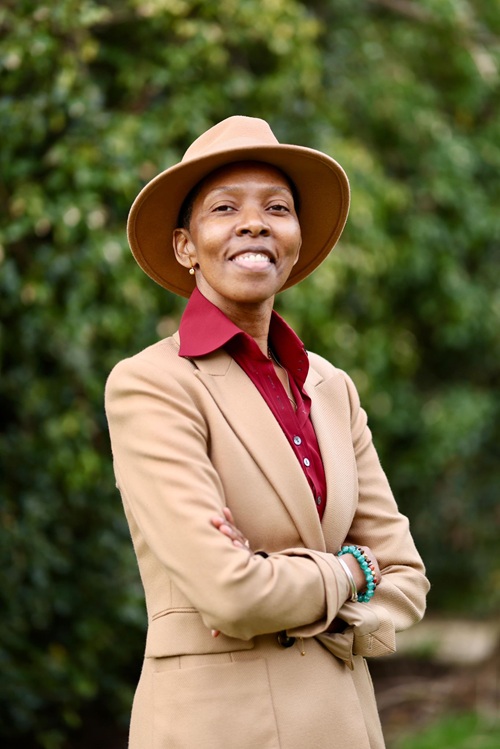
“These are not motivation issues,” Samuels explains. “They are biological shifts that influence capacity. When businesses understand that the conversation moves from awareness to protection.”
While menopause is now widely discussed in the workplace, many initiatives remain focused on education rather than measurable performance outcomes.
In response, Samuels has launched Midlife Performance Protection™, a corporate programme designed to stabilise energy, improve focus and reduce performance disruption during midlife transition.
The programme moves beyond standalone wellbeing sessions and policy statements, focusing instead on practical, evidence-led strategies aligned with organisational objectives.
“Women are not stepping back because they lack ambition,” Samuels adds. “Often, they are navigating physiological change without structured support. When we stabilise biology, we stabilise performance.”
Retention strategies frequently prioritise culture and engagement. While important, these measures do not address the upstream driver of energy availability. When energy becomes inconsistent, performance and retention risk increase. Supporting biological capacity is therefore not a peripheral wellbeing initiative; it is a business safeguard.
The finalist recognition comes at a time when businesses across Coventry and Warwickshire are reassessing how they retain experienced female talent and protect leadership continuity.
Through her work, Samuels continues to position midlife health as a performance consideration, aligning biology with business outcomes and supporting organisations to build resilient, sustainable workforces.
As the regional conversation evolves, she hopes to see more businesses move from awareness to action, embedding practical performance protection into everyday leadership strategy.