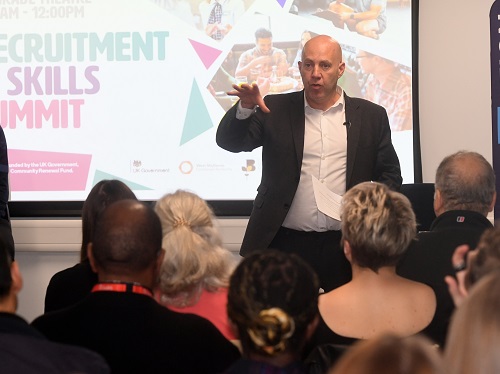
Corin Crane, chief executive of the Coventry and Warwickshire Chamber of Commerce, said: “When we talk to businesses there is a feeling among many that they have been plagued by uncertainty and rising costs for several years and it is starting to take its toll on them.
“The Budget on November 26 has been talked about for months and there is so much speculation about what may or may not happen, and which taxes may or may not rise.
“The latest unemployment figures show that the increase in employer National Insurance contributions have started to bite and that is exactly why we have been calling for no more cost increases for businesses from this Budget.
“We also want to see measures that will give companies confidence – such as support for exporters and investment in infrastructure. Not only that, we want to see further action on the skills shortage so that those individuals who are out of work can get the right skills and training to get back into the jobs market.
“It’s a real tightrope for the Chancellor to walk with the nation’s finances as they are but it’s vitally important that we breathe confidence back into our economy.”
Jane Gratton, Deputy Director of Public Policy at the British Chambers of Commerce said: “There is little comfort in this data for businesses or the government. Employers are being squeezed by sky-high employment costs, and we are beginning to see the consequences.
“The strong rise in unemployment is a worrying sign, as vacancies remain virtually static on the quarter. But while the rate of wage growth with bonuses has slowed again, it is still well above inflation.
“This feeds into higher prices, and we expect the Bank of England will be paying close attention to the wage growth trend ahead of next month’s decision on interest rates.
“Nearly three quarters (72 per cent) of businesses in our latest survey said labour costs are the biggest cost pressure. They say the increase in employer NICs is the main driver of this.
“With job vacancies static, high levels of economic inactivity and £5bn of extra employment legislation around the corner, the Budget must give firms a reason to be optimistic. Businesses need confidence to boost investment and drive the economic growth we all want to see.
“The number one priority for firms is that no fresh tax burdens are placed on them in the Budget. The Chancellor must also use her statement to invest in workforce health and skills.”