
It also covers guaranteed hours for zero-hours contract workers and enhanced parental leave.
The changes are expected to come into effect in a phased approach across 2026 and 2027.
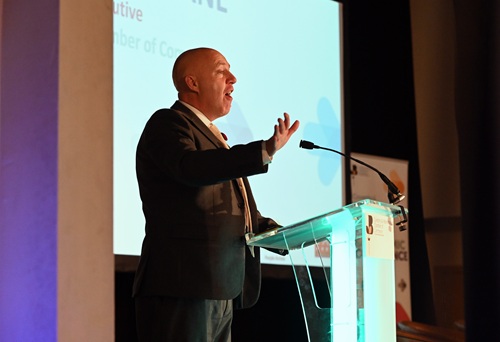
Corin Crane, chief executive of the Coventry and Warwickshire Chamber of Commerce, said: “The Government has been consulting with business on this over a very long period and while we welcomed the move away from day one rights on unfair dismissal, there is still a huge amount of change that businesses – especially SMEs – are going to need time to digest.
“They are also going to need very clear guidance and support on how they implement these changes.
“The vast majority of businesses want to grow, take on staff and treat them well because happy, motivated people make companies more successful. We recognise that.
“As a Chamber we’ll be working with colleagues at the British Chambers of Commerce (BCC) to support firms with these changes so they get trusted guidance on what they need to do next.
“For the vast majority of businesses, they will already be on the right side of the legislation but it is just a case of ensuring they have the processes and procedures in place to meet the new requirements.”
Kate Shoesmith, Director of Policy at the BCC, said: “It has already been a long journey for the Employment Rights Bill to become law, but we still have a considerable distance to go on this odyssey.
“Royal Assent is a key milestone as it allows businesses, the unions and government to now focus on getting the detail right, to ensure everyone is ready for the coming changes.
“The consultation on the secondary legislation, which will govern much of the day-to-day practicalities of employment rights, is now going to be vital.
“Businesses are clear they still have major concerns about the workability and costs of several other powers in the Bill.
“These include issues relating to guaranteed-hours contracts, seasonal and temporary workers, thresholds for industrial action, and the practical application of union rules.
“It is hugely important that workable agreements are found through further discussions, using the tripartite model that led to the compromise on unfair dismissal.
“Businesses, especially smaller ones, will need a lot of support and guidance from government to make sure they get this right and have the correct policies and processes in place.
“They will want to do the right thing, but the sheer scale of these changes means the challenges this presents cannot be underestimated.
“In terms of immediate impact, nothing is changing, but businesses will need to look ahead.
“Due to the delays in agreeing the final shape of the Bill, there will be a wave of fresh consultations beginning in January.
“The BCC will be putting together a programme of support for Chambers and firms to help them prepare for, and then implement, changes as they are introduced.
“Businesses shouldn’t panic and we would advise them to be careful about offers of external help, from organisations that are unknown to them. There is a long way to go on this legislation, and the best advice will come from those most involved in it.”