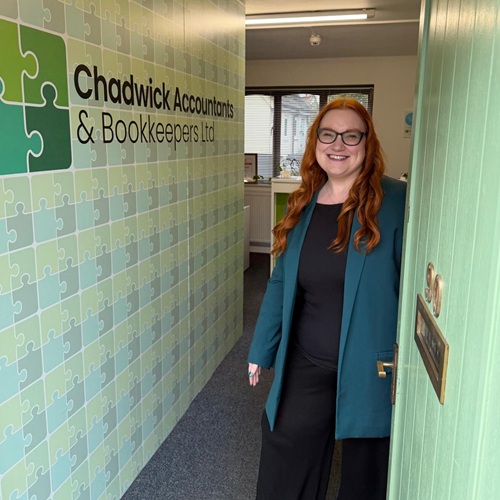
That was the situation facing one Warwickshire-based business before seeking advice from Chadwick Accountants & Bookkeepers Ltd, the award-winning practice led by Chartered Accountant and Managing Director Rachael Chadwick-Harrison.
Trading as a partnership, the business was performing strongly and generating healthy, rising profits. On paper, everything looked positive. In reality, however, their tax exposure was increasing year on year. Under the partnership structure, all profits were taxed personally as they arose, regardless of how much cash the partners actually needed to draw. As income climbed, so too did higher-rate tax and National Insurance liabilities — with limited flexibility to manage timing or mitigate exposure.
The question they brought to Chadwick Accountants was a simple but powerful one: is our structure still fit for purpose?
Rather than offering generic advice, the team carried out a detailed strategic review, modelling multiple scenarios to provide absolute clarity. They compared the client’s existing position with planning in place, a “no planning” scenario, and the outcome of remaining as a partnership. They then overlaid an incorporated structure to demonstrate how profits could instead be taxed first at corporation tax rates, before being extracted in a far more controlled and tax-efficient way.
The results were compelling.
With structured planning in place, total tax and National Insurance liabilities sat at approximately £19,000. Without planning, exposure rose to around £33,000, including a significant additional charge linked directly to drawings. Remaining as a partnership resulted in a liability of approximately £21,000, with all profits taxed personally.
At current profit levels alone, the difference between a well-planned incorporated structure and an unplanned position amounted to around £14,000.
But beyond the numbers, the real transformation was strategic. Incorporation provided flexibility, reduced risk and removed the potential for unexpected tax charges caused by misaligned drawings and profit timing. Cashflow planning became deliberate rather than reactive, creating a structure capable of supporting continued growth.
For growing businesses, the lesson is clear: structure is not a set-and-forget decision. With the right advice, it can be the difference between paying more tax than necessary and building a foundation for long-term success.